Creating a relaxing home workspace is essential for maintaining focus and productivity, especially as more people work from home. A well-designed workspace not only boosts efficiency but also reduces stress and promotes comfort throughout the day. Whether you have a dedicated room or a small corner in your home, these tips will help you create an inviting and effective environment to work in.
Why a Relaxing Workspace Matters
A cluttered or uninspiring workspace can negatively affect our mood and concentration. On the other hand, a calming and well-organized space encourages creativity, reduces distractions, and helps maintain a healthy work-life balance. When your workspace feels relaxed and inviting, you’re more likely to enjoy your work and accomplish tasks efficiently.
Choosing the Right Location
Natural Light is Key
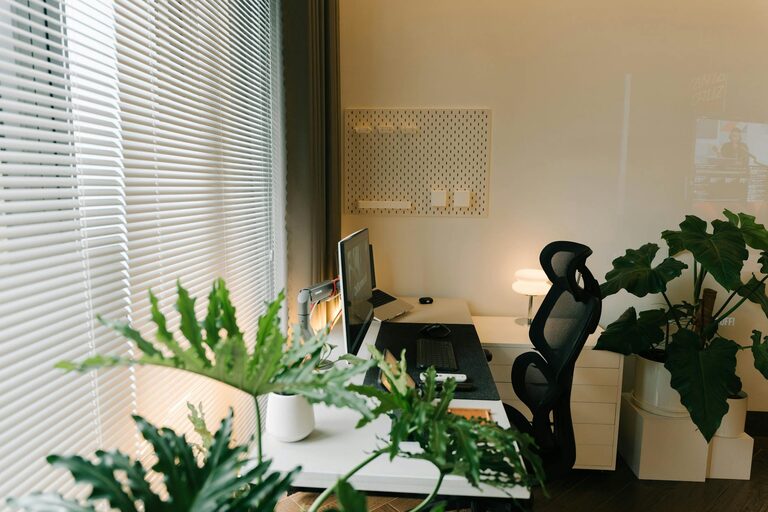
Aim to set up your workspace near a window if possible. Natural light improves mood, reduces eye strain, and helps regulate your body’s internal clock. If natural light is limited, invest in high-quality, adjustable lighting to keep your space bright without glare.
Minimize Noise and Distractions
Select a quiet area of your home away from foot traffic, televisions, or noisy appliances. Consider using noise-cancelling headphones or a white noise machine if background sounds disrupt your focus.
Ergonomic Setup for Comfort
Invest in a Good Chair
Choose a chair that offers proper lumbar support and allows you to sit with your feet flat on the floor. Comfort is crucial, especially if you spend several hours working at your desk.
Position Your Desk and Screen Correctly
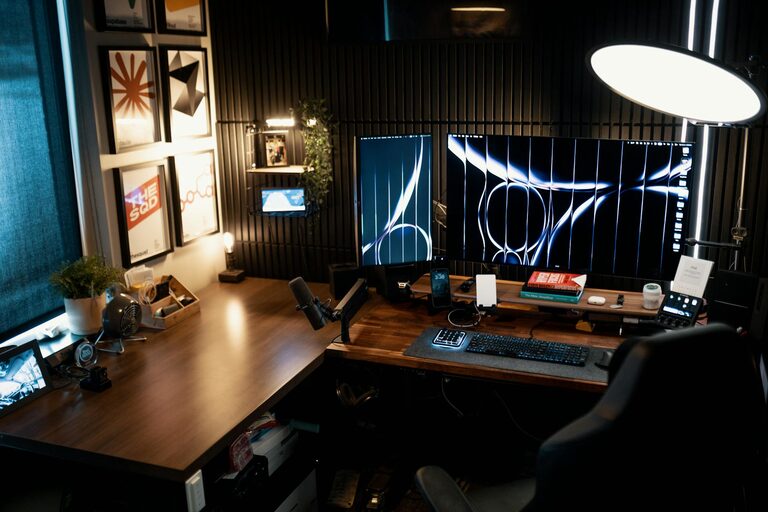
Your computer screen should be at eye level to avoid neck strain. Keep your keyboard and mouse within easy reach, so your arms can remain relaxed at your sides.
Organize for Efficiency
Declutter Regularly
Keep your desk tidy by removing unnecessary items. Use desk organizers, shelves, or trays to keep documents and supplies in order.
Use Functional Storage Solutions
Drawer dividers, magazine holders, and boxes can contain loose papers and tools. This reduces visual clutter and saves you time looking for essentials.
Incorporate Relaxing Elements
Add Plants
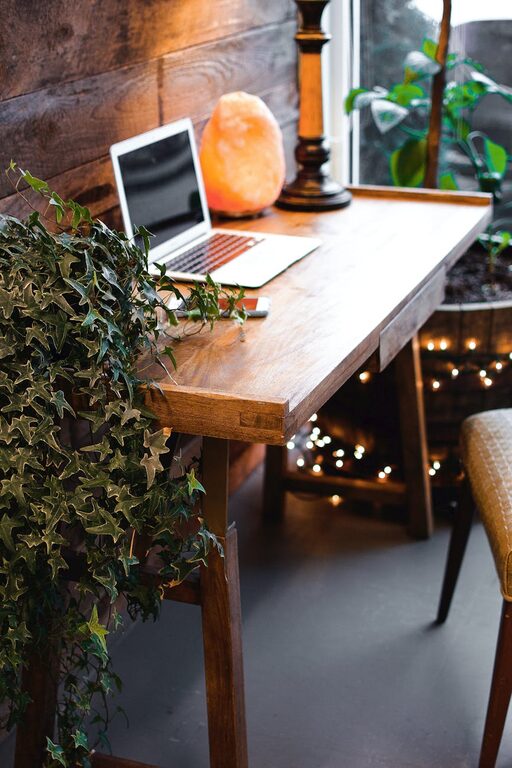
Indoor plants improve air quality and add a touch of nature to your workspace. They can also help reduce stress and increase productivity.
Use Calming Colors
Soft, neutral colors like light blues, greens, or beige create a soothing atmosphere. Avoid overly bright or distracting hues that can overwhelm the senses.
Personalize Your Space
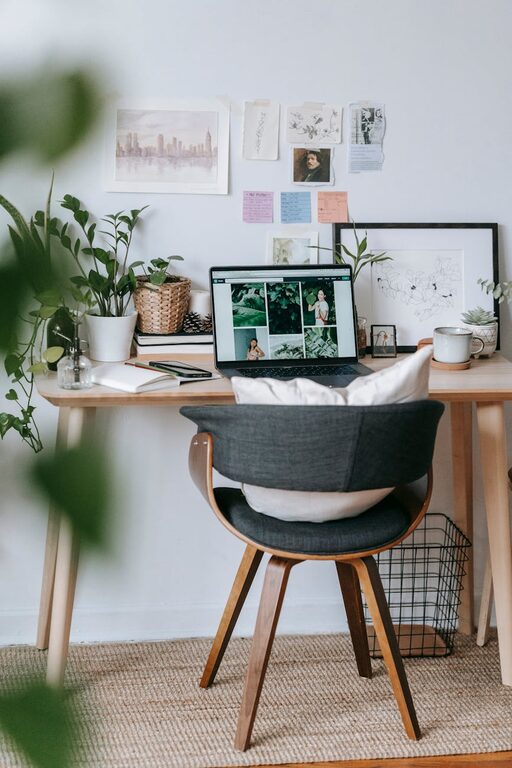
Include photos, artwork, or meaningful objects that inspire you, but avoid overcrowding. A personal touch can make your workspace feel more inviting and motivating.
Manage Technology Mindfully
Keep Cables Organized
Use cable clips or sleeves to manage cords and prevent tangling. An organized tech setup helps maintain a neat environment.
Limit Notifications
Turn off non-essential alerts that interrupt your workflow. Consider dedicated times to check emails or messages to minimize distractions.
Take Breaks and Move
Standing or moving regularly during work hours is important for both physical and mental health. Use a timer or app to remind you to stand, stretch, or take brief walks.
Maintain Work-Life Balance
Create clear boundaries between work time and personal time. If possible, close off your workspace at the end of the day. This helps your brain shift out of work mode and reduces stress.
Final Thoughts
A relaxing home workspace doesn’t have to be expensive or complicated. By focusing on comfort, organization, and personal touches, you can create a space that supports both productivity and well-being. Experiment with these tips and adjust your setup until it feels just right for you. A calm and efficient workspace can make a positive difference in your daily work experience.
About the Author