Creating an efficient home office space is essential for staying productive and comfortable while working from home. Whether you have a dedicated room or just a small corner, setting up your workspace thoughtfully can make a big difference in how well you focus and perform your tasks. This guide offers practical tips to help you design a home office that supports your workday and keeps you motivated.
Choose the Right Location
Before you start setting up, pick a spot that fits your needs.
– Quiet and Private: Look for a space with minimal noise and distractions. This might be a separate room or a corner away from common areas.
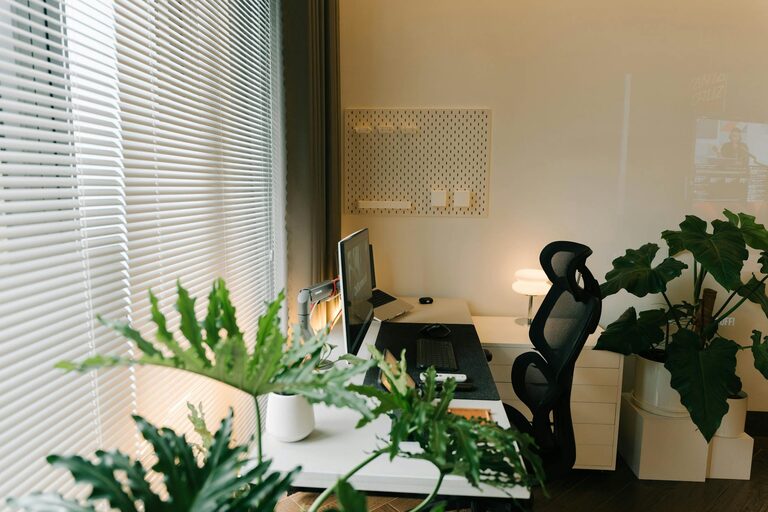
– Natural Light: Position your desk near a window if possible; natural light can boost your mood and energy.
– Good Ventilation: Fresh air keeps you alert; ensure the area has good airflow.
Invest in Comfortable Furniture
Comfortable and ergonomic furniture helps prevent strain and keeps you focused longer.
– Desk: Choose a desk with enough surface area for your computer, notes, and any other essentials. Adjustable desks are a bonus if you want to switch between sitting and standing.
– Chair: Invest in a supportive office chair with adjustable height and back support. Proper posture reduces fatigue and discomfort.
– Storage: Use shelves, file cabinets, or organizers to keep your supplies within reach but out of the way.
Optimize Lighting
Proper lighting is crucial for reducing eye strain.
– Natural Light: Use window blinds or curtains to control glare.
– Task Lighting: Add a desk lamp with adjustable brightness for focused work.
– Ambient Lighting: Make sure the room has even lighting to avoid harsh shadows.
Organize Your Workspace
A tidy workspace helps clear your mind and increase efficiency.
– Declutter: Remove unnecessary items from your desk.
– Use Organizers: Trays, drawers, and containers keep supplies neat.
– Cable Management: Use clips or sleeves to keep cords untangled and off the floor.
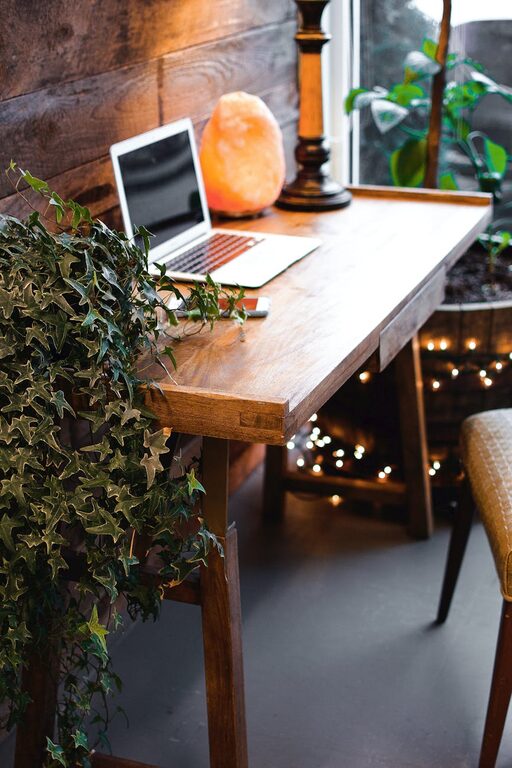
– Personal Touches: Add plants or photos to make your space welcoming without overcrowding.
Set Up Technology Wisely
Ensure your technology supports your work needs without causing frustration.
– Reliable Internet: A strong connection is essential for remote work, video calls, and file sharing.
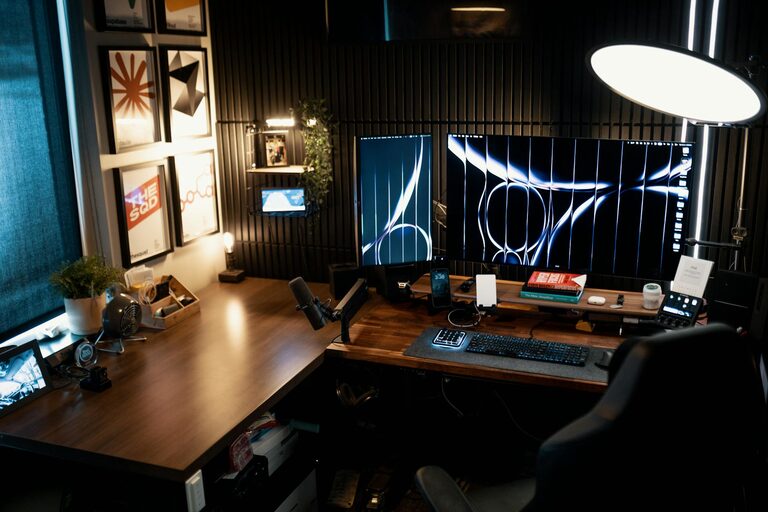
– Equipment: Use a good quality monitor, keyboard, and mouse for comfort.
– Backup Power: Consider a surge protector or UPS to protect your devices.
– Software: Install necessary apps and keep them updated.
Create a Daily Routine
An efficient workspace goes hand in hand with a consistent routine.
– Work Hours: Set clear start and finish times to separate work from personal life.
– Breaks: Take regular short breaks to stretch and rest your eyes.
– Task Management: Use calendars, to-do lists, or apps to keep track of your tasks.
Minimize Distractions
Keeping distractions in check helps maintain focus.
– Notifications: Silence non-essential phone and computer alerts.
– Household Rules: Communicate with family members or roommates about your work schedule.
– Noise Control: Use noise-cancelling headphones or white noise machines if needed.
Keep Your Space Flexible and Adaptable
Your home office should evolve as your needs change.
– Multi-purpose Furniture: Use foldable tables or mobile storage for versatility.
– Regular Updates: Reassess your setup periodically to improve comfort and functionality.
Final Thoughts
Setting up an efficient home office doesn’t have to be complicated or expensive. By choosing the right location, investing in ergonomic furniture, organizing thoughtfully, optimizing technology, and maintaining good work habits, you can create a space that supports productivity and well-being. Remember, the goal is to make your home office comfortable and conducive to work, tailored to your personal preferences and professional needs.
About the Author