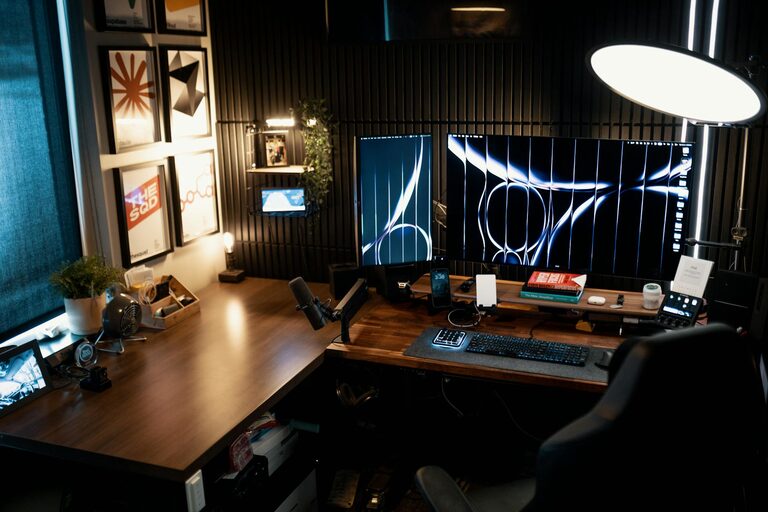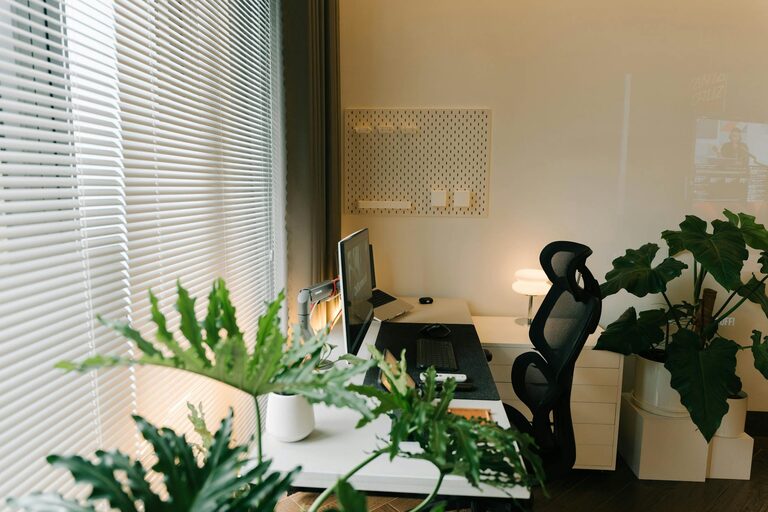
Creating a cozy and inviting home workspace is essential, especially as many people spend more time working from home. A well-designed workspace not only boosts productivity but also enhances your mood and comfort throughout the day. Whether you have a dedicated room or a small corner in your living space, these practical tips will help you transform it into a welcoming and efficient area.
1. Choose the Right Location
The foundation of a cozy workspace starts with location. Aim for a spot with good natural light, as sunlight can improve focus and reduce eye strain. If natural light is limited, use soft task lighting to brighten your space without causing glare.
Avoid places with heavy foot traffic or distractions. A quiet corner or a spare room that can be dedicated to work will help maintain your focus and create a clear boundary between work and relaxation.
2. Invest in Comfortable Furniture
Comfort is key for any workspace. Select an ergonomic chair that supports your back and encourages good posture. You might spend several hours sitting, so having proper support will prevent discomfort and potential health problems.
A desk with enough surface area for your computer, notebooks, and other essentials is also important. If space is tight, consider a wall-mounted or foldable desk to save room. Remember to keep your desk height at a level where your arms rest comfortably at 90 degrees when typing.
3. Personalize Your Space
Adding personal touches makes your workspace feel inviting. Display photos, artwork, or inspirational quotes that motivate you throughout the day. Choose colors that promote calmness and focus, like soft blues or earth tones.
Plants are a fantastic addition—they improve air quality and add a natural, relaxing element to your space. Choose low-maintenance varieties like succulents or snake plants if you don’t have a green thumb.
4. Organize for Efficiency
Clutter can negatively impact productivity and increase stress. Use storage solutions like shelves, filing cabinets, or desk organizers to keep important items within reach but out of sight.
Labeling boxes and drawers helps you find supplies quickly. Also, make it a habit to tidy your desk at the end of each day to maintain an open and inviting work surface.
5. Control Noise Levels
Noise distractions can disrupt focus. If your workspace isn’t naturally quiet, consider noise-cancelling headphones or a white noise machine to block out background sounds. Soft textiles like rugs and curtains can also help absorb sound and make the space cozier.
6. Manage Cables and Technology
Tangled cables create visual clutter and can be frustrating. Use cable organizers or clips to keep cords neat and prevent accidents. Position your devices within easy reach to avoid stretching or awkward postures.
Regularly update software and equipment to ensure smooth functionality, reducing technical interruptions to your workflow.
7. Incorporate Healthy Habits
Your workspace should support your well-being. Keep a water bottle nearby to stay hydrated. Make space for stretching or small movement breaks—consider a standing desk option if possible.
Proper ventilation and air quality also play a role. Open windows when possible, or use an air purifier to keep the environment fresh.
8. Use Soft Textiles and Lighting
Add texture and warmth with soft cushions, blankets, or rugs. These elements create a cozy feel and help absorb sound, making the atmosphere more pleasant.
Lighting is equally important. Avoid harsh overhead lights by using desk lamps or floor lamps with adjustable brightness. Warm light bulbs create a relaxing ambiance that can reduce eye strain.
9. Set Boundaries Between Work and Life
To maintain balance, clearly separate your workspace from your personal life. When work hours end, tidy up your desk and close any work-related items. This physical separation encourages mental relaxation and helps prevent burnout.
If your home workspace is in a shared area, consider room dividers or decorative screens to create a visual boundary.
10. Stay Flexible and Adaptable
Finally, remember that your workspace needs may change over time. Be open to rearranging furniture or updating decor based on how you feel and work habits. Flexibility allows your workspace to evolve with you, keeping it both functional and inviting.
—
Creating a cozy and inviting home workspace doesn’t require a complete makeover. Small adjustments like better lighting, personalized decor, and ergonomic furniture can make a big difference. The goal is to design a space where you feel motivated, comfortable, and focused—so your work feels less like a chore and more like a rewarding part of your day.
About the Author