Creating a relaxing home workspace is essential for maintaining productivity and well-being, especially when much of our work happens in our living environments. A thoughtfully designed workspace can reduce stress, improve focus, and make your work hours more enjoyable. Whether you are working from home full-time or occasionally, these tips can help you build a calming environment that supports your goals.
Choose the Right Location
Your first step is selecting the best spot for your workspace. Consider these factors:
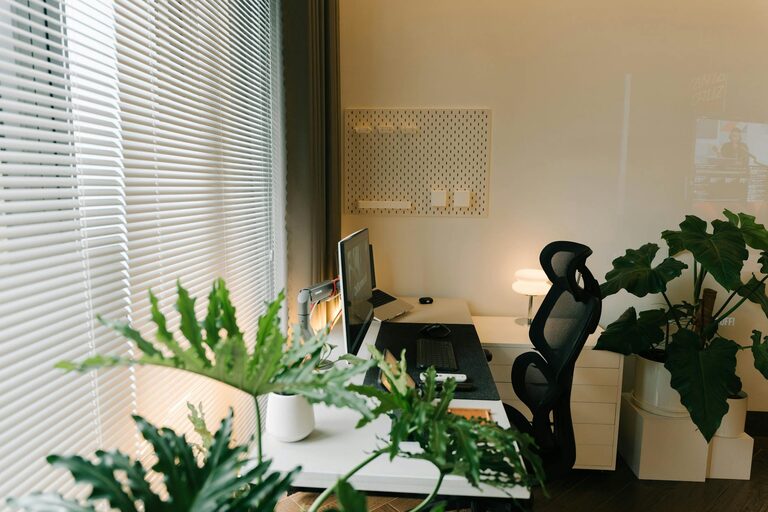
– Natural Light: Aim for a space near a window to benefit from daylight. Natural light helps regulate your sleep patterns and boosts mood.
– Quietness: Find a quieter area to minimize distractions from household noise or street sounds.
– Space: Make sure there’s enough room for your desk, chair, and other essentials without feeling cramped.
If space is limited, even a corner of a room or a small closet with good lighting can be transformed into a dedicated work zone.
Invest in Comfortable Furniture
Comfort influences how long and effectively you can work. Prioritize:
– Ergonomic Chair: Choose a chair with proper lumbar support to prevent back pain.
– Desk Height: Your desk should allow your arms to rest comfortably at about a 90-degree angle.
– Footrest: If your feet don’t sit flat on the floor, use a footrest to reduce pressure on your legs.
Adjustable furniture adds flexibility for different tasks and can keep you comfortable throughout the day.
Organize Your Workspace
Clutter can quickly lead to stress and distraction. Use these organization tips:
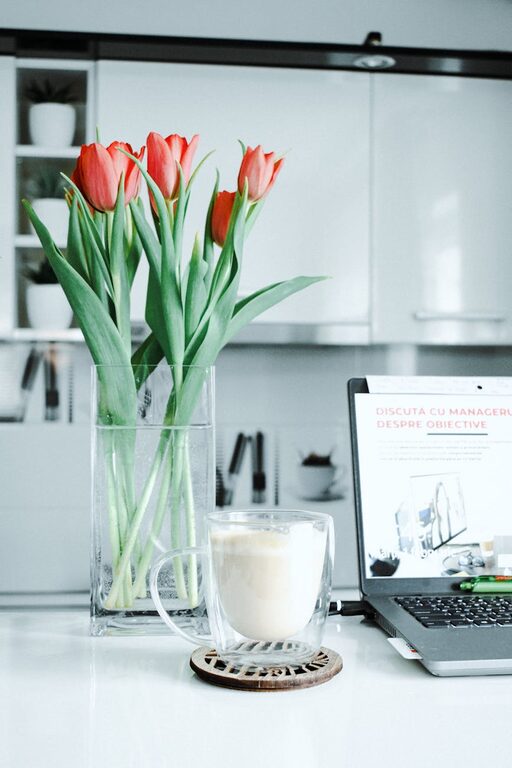
– Minimal Essentials: Keep only the items you use regularly on your desk.
– Storage Solutions: Use drawers, shelves, or boxes to store supplies out of sight.
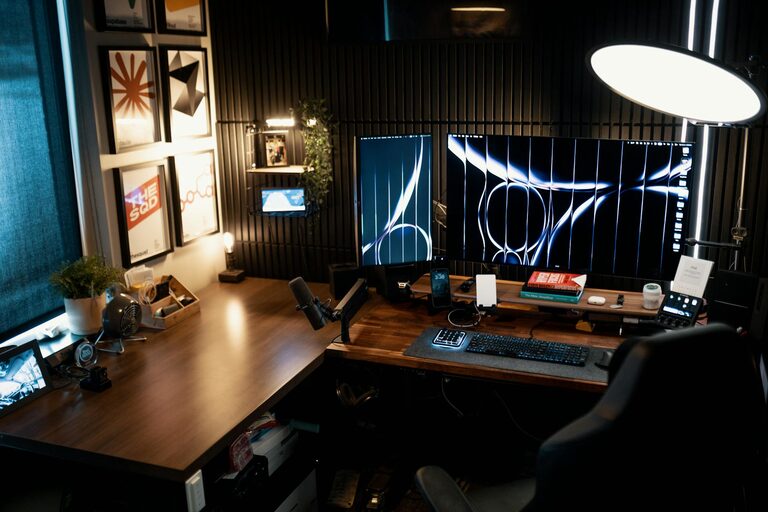
– Cable Management: Keep cords tidy using clips or sleeves to avoid tangled messes.
An organized desk helps clear your mind and makes it easier to focus on work.
Incorporate Soothing Elements
Adding calming touches to your workspace can improve your mood and concentration:
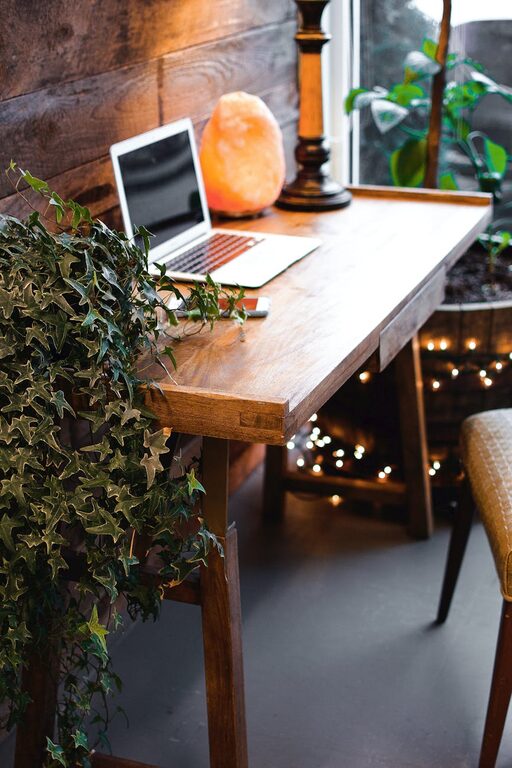
– Plants: Indoor plants purify air and add a natural, relaxing vibe.
– Soft Colors: Choose calming colors like blue, green, or soft neutrals for walls or accessories.
– Artwork: Hang inspiring or peaceful artwork that uplifts without overwhelming.
These elements turn your workspace into a pleasant place you look forward to using.
Manage Digital Distractions
Reducing interruptions from devices supports better focus:
– Turn Off Notifications: Silence non-essential alerts on your computer and phone during work sessions.
– Use Focus Apps: Productivity apps can block distracting sites temporarily.
– Separate Devices: If possible, designate one device for work and another for leisure.
Creating tech boundaries fosters deeper concentration and helps prevent burnout.
Set Up Good Lighting
Besides natural light, proper artificial lighting is key:
– Task Lighting: Use a desk lamp to illuminate your work area without harsh glare.
– Ambient Lighting: Soft overhead lights prevent eye strain.
– Adjustable Settings: Opt for lighting that you can dim or brighten based on time of day or task.
Proper lighting reduces fatigue and helps maintain energy throughout your workday.
Encourage Movement and Breaks
Staying in one position too long can hurt productivity. Try these strategies:
– Regular Breaks: Follow the 20-20-20 rule — every 20 minutes, look at something 20 feet away for 20 seconds.
– Stretching: Include simple stretches or yoga poses during breaks to relax muscles.
– Standing Desk Option: If possible, alternate between sitting and standing to promote circulation.
Moving periodically refreshes your mind and body, supporting sustained focus.
Personalize Your Space Thoughtfully
Make the workspace your own without overwhelming it:
– Favorite Items: Add a few personal objects like photos or a small souvenir.
– Scent: Use subtle scents like lavender or peppermint with a diffuser to create a soothing atmosphere.
– Sound: If silence isn’t ideal, try gentle background music or white noise.
A personalized space can increase comfort and motivation.
Maintain a Routine
A consistent routine can help your mind associate the space with work:
– Regular Hours: Set specific times to start and end your workday.
– Preparation Ritual: Begin with a small ritual like making tea or organizing your desk to signal the start of work.
– End-of-Day Cleanup: Tidy your workspace to prepare for the next day and mentally close the work chapter.
Routines add structure and help separate work time from personal time, especially in a home setting.
—
By combining these tips, you can create a relaxing home workspace that not only reduces stress but also encourages productivity and well-being. Remember, the best workspace is one tailored to your needs—feel free to experiment with what makes you most comfortable and focused. Happy working!
About the Author