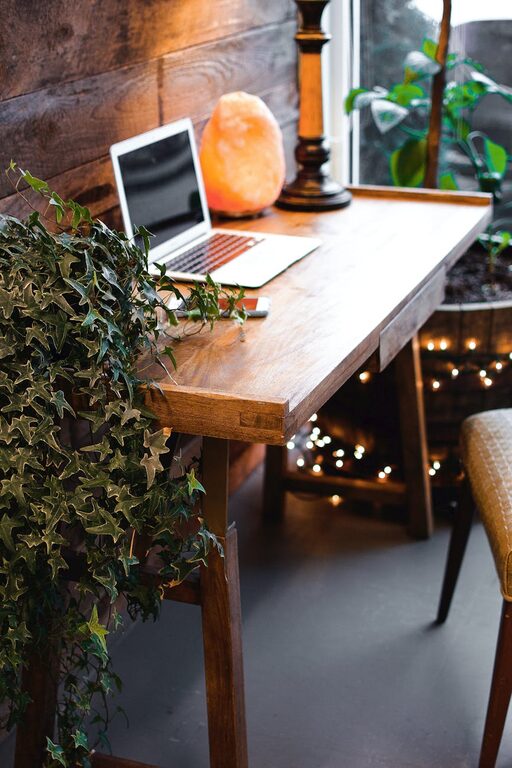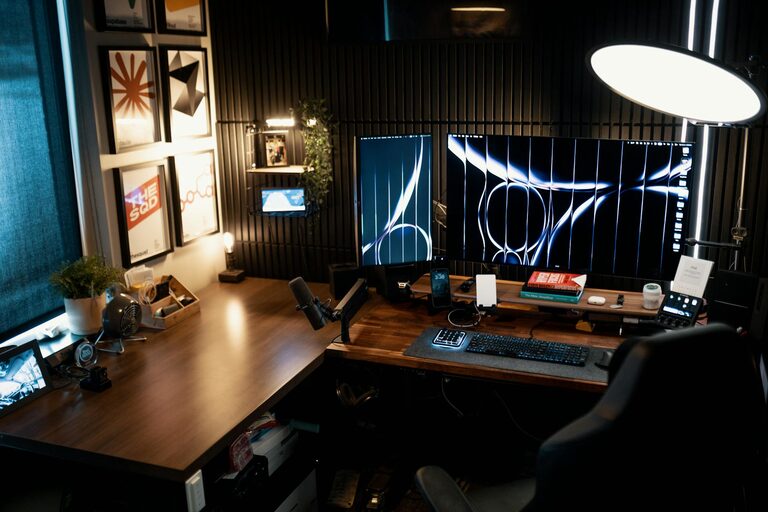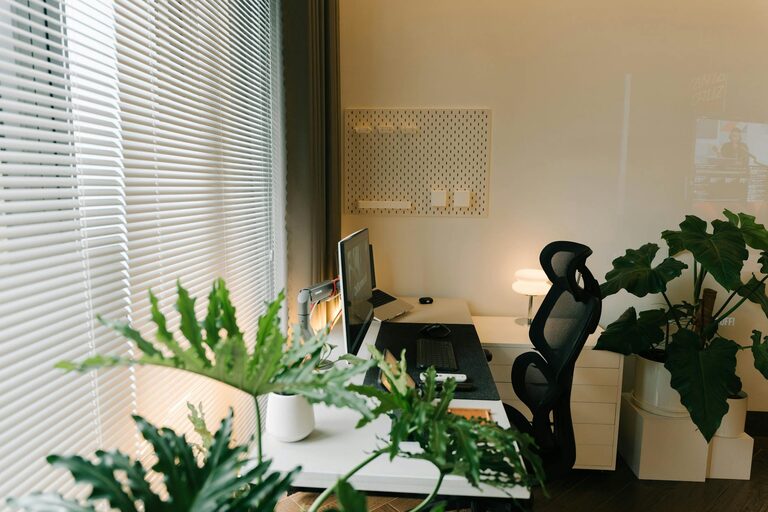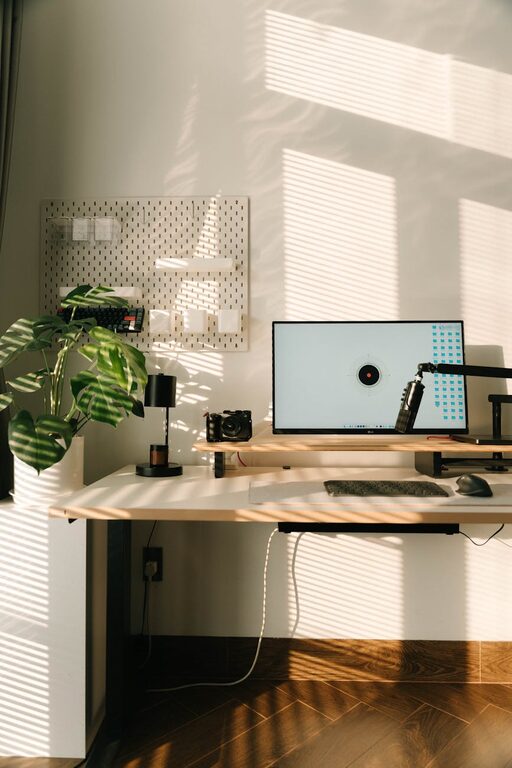
Creating a relaxing home workspace is essential for maintaining focus, reducing stress, and increasing productivity—especially as more people work remotely. A thoughtfully arranged workspace combines comfort with functionality, allowing you to feel motivated and settle into your tasks with ease. In this post, we’ll explore practical tips to help you design a home office that’s both inviting and efficient.
Choose the Right Location
Find a Quiet Spot
Select a location in your home where you’re least likely to be disturbed. A quiet corner, spare room, or nook with minimal foot traffic helps reduce distractions and creates a sense of separation from other household activities.
Consider Natural Light
Position your workspace near a window if possible. Natural light boosts mood and energy, reducing eye strain. If natural light is limited, invest in a good quality desk lamp with adjustable brightness to prevent fatigue.
Invest in Comfortable Furniture
Ergonomic Chair
A comfortable, ergonomic chair is a must. Look for adjustable features that support your posture—lumbar support, seat height, and backrest tilt help prevent discomfort during long working hours.
Suitable Desk Height
Your desk should allow you to work without hunching over or straining your shoulders. Fixed or adjustable desks that fit your height promote better posture and ease of movement.
Keep Essential Items Within Reach
Organize your desk layout so that frequently used tools like your mouse, phone, or notepad are easily accessible. This minimizes unnecessary movement and keeps you focused.
Personalize Your Space
Add Plants
Indoor plants bring a touch of nature indoors, improve air quality, and create a soothing environment. Low-maintenance plants like succulents or peace lilies work well in workspaces.
Use Calming Colors
Decorate your workspace with colors known for their calming effects, such as soft blues, greens, or neutrals. These tones can help reduce stress and create a peaceful atmosphere.
Display Motivational Items
Incorporate items that inspire you—whether it’s photos, artwork, or quotes. Personal touches make your space unique and can boost motivation and positive thinking.
Organize Efficiently
Declutter Regularly
Keep your workspace tidy by removing unnecessary items. A clutter-free environment reduces distractions and helps maintain focus.
Use Storage Solutions
Use shelves, drawers, or organizers to store supplies neatly. Label containers to make finding what you need quick and simple.
Keep Cables Managed
Untidy cables can add visual clutter and frustration. Cable organizers, clips, or sleeves keep cords neatly arranged and out of sight.
Set Up Technology Thoughtfully
Optimize Your Screen Position
Your computer screen should be at eye level, about an arm’s length away. This minimizes neck strain and supports comfortable viewing.
Invest in Quality Equipment
Use a reliable keyboard and mouse that feel comfortable to use. A good headset can help if you participate in frequent video calls or need to block background noise.
Fast and Stable Internet
Ensure your internet connection is fast and reliable. A smooth online experience reduces frustration and keeps you productive.
Create a Relaxing Ambiance
Control Noise Levels
If your home is noisy, consider noise-cancelling headphones or white noise machines. Alternatively, soft background music can help some people concentrate.
Adjust Temperature and Ventilation
Maintain a comfortable room temperature and good ventilation. Fresh air and the right temperature keep you alert and focused.
Use Aromatherapy (Optional)
Some find mild scents like lavender or eucalyptus relaxing. A subtle diffuser can add a calming aroma without overwhelming your workspace.
Establish Routine and Boundaries
Set Work Hours
Define regular work hours to separate professional time from personal life. This helps create balance and prevents burnout.
Take Regular Breaks
Incorporate short breaks to stretch or move around. Breaks improve circulation, reduce tension, and refresh your mind.
Communicate Workspace Rules
If you live with others, set clear guidelines about when and how you work. This ensures everyone respects your workspace and work time.
—
Designing a relaxing home workspace doesn’t require a complete overhaul. Small changes to your environment, furniture, and habits can transform your workday experience, making it more comfortable and productive. By prioritizing comfort, organization, and personalization, you create a space that supports your best work while also encouraging well-being.
Give these tips a try and notice how a calming work environment helps you focus better and enjoy your home office time.
About the Author